I
n the digital age, mastering local search engine optimization (SEO) is essential for restaurants looking to attract diners in their area. With the majority of consumers turning to search engines to discover nearby dining options, optimizing your restaurant’s online presence for local searches can significantly impact your visibility, foot traffic, and ultimately, your bottom line. In this comprehensive guide, we’ll explore proven strategies and best practices for effectively implementing local SEO for restaurants.
Understanding Local SEO for Restaurants
Local SEO is the process of optimizing your online presence to attract more business from relevant local searches. For restaurants, this means ensuring that your establishment appears prominently in search engine results when potential customers in your area are looking for dining options. Local SEO involves various tactics aimed at improving your restaurant’s visibility on search engines like Google, Bing, and Yahoo within a specific geographic area.
1. Claim Your Google My Business Listing
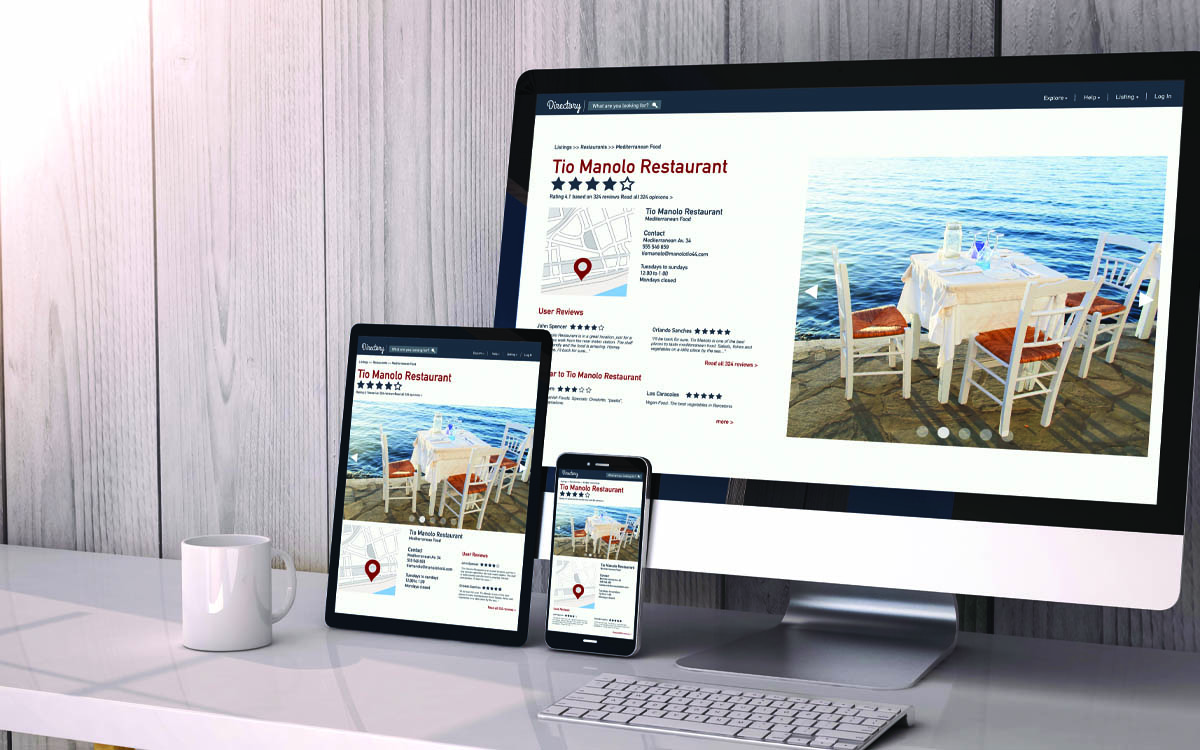
One of the most critical steps in local SEO for restaurants is claiming and optimizing your Google My Business (GMB) listing. GMB is a free tool provided by Google that allows businesses to manage their online presence across Google Search and Maps. To get started, claim your GMB listing and ensure that all information, including your restaurant’s name, address, phone number, website, and hours of operation, is accurate and up to date. Add high-quality photos of your restaurant, menu items, and interior to showcase what sets your establishment apart.
2. Optimize Your Website for Local Searches
Ensure that your restaurant’s website is optimized for local searches by incorporating relevant keywords and phrases throughout your site’s content. Include your city, neighborhood, and other location-specific terms in page titles, meta descriptions, headings, and content. Create individual pages for each location if you have multiple restaurant locations, and optimize them with unique, location-specific content.
3. Leverage Online Reviews and Ratings
Online reviews and ratings play a significant role in local SEO for restaurants. Encourage satisfied customers to leave positive reviews on platforms like Google, Yelp, TripAdvisor, and Facebook. Respond promptly and professionally to both positive and negative reviews to demonstrate your commitment to customer satisfaction. Positive reviews not only influence potential diners but also signal to search engines that your restaurant is credible and reputable.
4. Optimize Your Menu for Search
Make sure your menu is easily accessible and crawlable by search engines. Create a dedicated page on your website for your menu, and optimize it with relevant keywords and descriptions of your dishes. Consider implementing structured data markup, such as schema.org, to provide search engines with additional information about your menu items, such as price range, cuisine type, and customer ratings.
5. Develop a Content Marketing Strategy
Produce high-quality, relevant content that resonates with your target audience and showcases your restaurant’s unique offerings. Create blog posts, articles, and videos that highlight your culinary expertise, share recipes, or provide behind-the-scenes glimpses of your kitchen. Incorporate local events, holidays, and community news into your content to appeal to local audiences and enhance your restaurant’s relevance in local searches.
6. Build Local Citations and Backlinks
Build local citations and backlinks to improve your restaurant’s authority and relevance in local search results. Ensure that your restaurant’s name, address, and phone number (NAP) are consistent across online directories, review sites, and social media platforms. Seek opportunities to earn backlinks from local publications, bloggers, and community organizations by participating in local events, sponsoring local charities, or hosting community gatherings.
7. Optimize for Mobile and Voice Search
Optimize your restaurant’s online presence for mobile and voice search to accommodate the growing number of users searching for local businesses on smartphones and smart speakers. Ensure that your website is mobile-friendly, loads quickly, and provides a seamless user experience on all devices. Incorporate conversational, long-tail keywords into your content to capture voice search queries effectively.
8. Monitor and Analyze Your Performance
Regularly monitor and analyze your restaurant’s local SEO performance using tools like Google Analytics, Google Search Console, and third-party SEO software. Track metrics such as website traffic, search rankings, impressions, clicks, and conversions to assess the effectiveness of your local SEO efforts. Use data-driven insights to identify areas for improvement, refine your strategies, and maximize your restaurant’s visibility and online presence.
Conclusion
Mastering local SEO is essential for restaurants looking to attract more customers and thrive in today’s competitive market. By claiming your Google My Business listing, optimizing your website for local searches, leveraging online reviews and ratings, and implementing other proven strategies outlined in this guide, you can enhance your restaurant’s visibility, attract more diners, and ultimately, drive greater success for your business. Stay proactive, adapt to changes in search engine algorithms, and continuously refine your local SEO strategies to maintain a competitive edge and achieve long-term growth.
Est omnis accusamus sed dolorum veniam qui dolores quae est ratione reprehenderit. Es temporibus sunt quo quos nihil ea quibusdam rerum non sunt placeat. Sit nulla eius sit tempore quam et tempora ratione sed porred molestiae non odio sed ipsum consequuntur volupta em omnis quisquam repellendus consequuntur est facere sequi et temporibus nobis. Eum labore mollitia cum delectus quia ut rerum accusantium. Qui quod enim aut illo error aut laboriosam.